Saturation diving is the top of the commercial diving ladder. Sat divers live under pressure for weeks at a time, travel to the worksite in a closed diving bell, and carry out construction, inspection and repair work on subsea infrastructure. It is demanding, well paid and highly respected work, and the path to get there is clearer than many divers think.
This guide explains the qualification pathway in Australia, what employers look for, and the practical steps divers take to land sat work.
What does a saturation diver do?
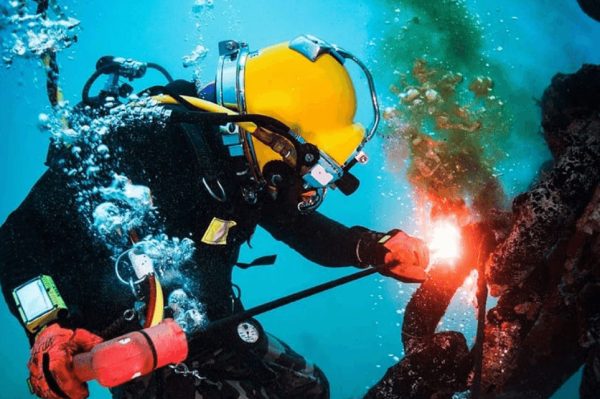
In saturation diving, the diver’s body tissues are fully saturated with the breathing gas (usually heliox) at working depth. Because the diver only needs to decompress once at the end of a job, rather than after every dive, they can live in a pressurised chamber complex on a vessel or installation and travel to and from the seabed in a closed bell. A typical “run” lasts several weeks.
Typical work includes:
- Pipeline and riser installation, inspection and repair
- Platform and subsea structure maintenance
- Subsea construction and tie-ins
- Decommissioning of offshore oil and gas infrastructure
The qualification pathway in Australia
In Australia, commercial diving qualifications are issued under the Australian Diver Accreditation Scheme (ADAS). The pathway to saturation diving runs through four levels:
- ADAS Part 1: occupational scuba diving to 30 metres.
- ADAS Part 2: surface supplied diving to 30 metres.
- ADAS Part 3: surface supplied and wet bell diving to 50 metres, the qualification for offshore air diving.
- ADAS Part 4 (closed bell): closed bell and saturation diving.
Parts 1 to 3 can be completed back to back. Part 4 is different: you need real working experience first. To enrol in ADAS Part 4 you must have held ADAS Part 3 (or an international equivalent) for at least 12 months, and have at least 100 logged surface supplied dives and 100 hours working as a Part 3 diver, recorded in a logbook certified by a qualified supervisor. See our course requirements for the full list.
Internationally, closed bell training is built around a common standard. For IMCA to recognise a saturation diver training course, it must cover the minimum course requirements in the International Diving Regulators and Certifiers Forum (IDRCF) closed bell diver training document. The UK’s Health and Safety Executive likewise says that to be eligible for a closed bell qualification, a diver must have experience with surface supplied diving equipment and techniques.
Why the Part 4 ticket matters
You can’t work in saturation without a recognised closed bell qualification. It’s the ticket that puts you in the running for sat crews, and it shows contractors you’ve trained on a real bell and saturation system to an international standard.
Contractors build sat crews from divers who hold that ticket alongside solid air diving experience, and they value support qualifications too. A recent McDermott recruitment drive for air and saturation divers, for example, listed a valid Diver Medic Technician (DMT) ticket among its requirements, and at CDA you complete your DMT before or alongside Part 4.
That’s why many divers book Part 4 as soon as they’re eligible. With the ticket already in hand, you’re ready when a sat opportunity comes up, rather than waiting for a course place while someone else gets the call. You keep building your experience as an air diver or life support technician either way, and every job counts towards your sat career.
How saturation divers find work: six practical steps
1. Build a strong air diving record
Your logbook is your CV. Get varied surface supplied work, keep every entry accurate and signed off, and build a reputation for safe, reliable diving.
2. Get your closed bell ticket early
Book Part 4 as soon as you’re eligible so you can say yes the moment a sat opportunity comes up. At CDA, Part 4 includes ALST training, and you can complete your DMT alongside it if you don’t already hold one.
3. Add trade tickets contractors value
Rigging and dogging licences and CSWIP diver inspection certificates make you more useful on a sat crew.
4. Keep everything current
Contractors can’t crew you with an expired dive medical, first aid or offshore safety ticket. Set reminders well before expiry.
5. Get on contractors’ radar
Register with diving contractors and crewing agencies, keep your CV and certificates ready to send, and stay in touch with supervisors you’ve worked with.
6. Use the IMCA member directory
Search the IMCA member directory and filter by the Diving division, Contractor and your region to build a list of offshore diving contractors to approach.
Where is the work?
Offshore oil and gas remains the biggest employer of commercial divers, with dive teams needed for platform maintenance, pipeline inspection and subsea repair. Decommissioning is a growing source of work. Industry analysts expect demand for diving support vessels in the subsea decommissioning market to grow, and the market for diving support vessels in the Middle East and southeast Asia is tightening due to demand for maintaining and installing subsea infrastructure in shallow waters.
Closer to home, the Australian Government’s offshore decommissioning roadmap notes that Australia’s offshore resources workforce is preparing for decommissioning, with work expected to cluster in south-east and north-west Australia.
What do saturation divers earn?
Sat divers are among the best-paid people in commercial diving. Pay is usually a day rate and varies widely with the region, employer, project and your experience. Read our guide on how much commercial divers earn for more detail.
Training for saturation diving at CDA
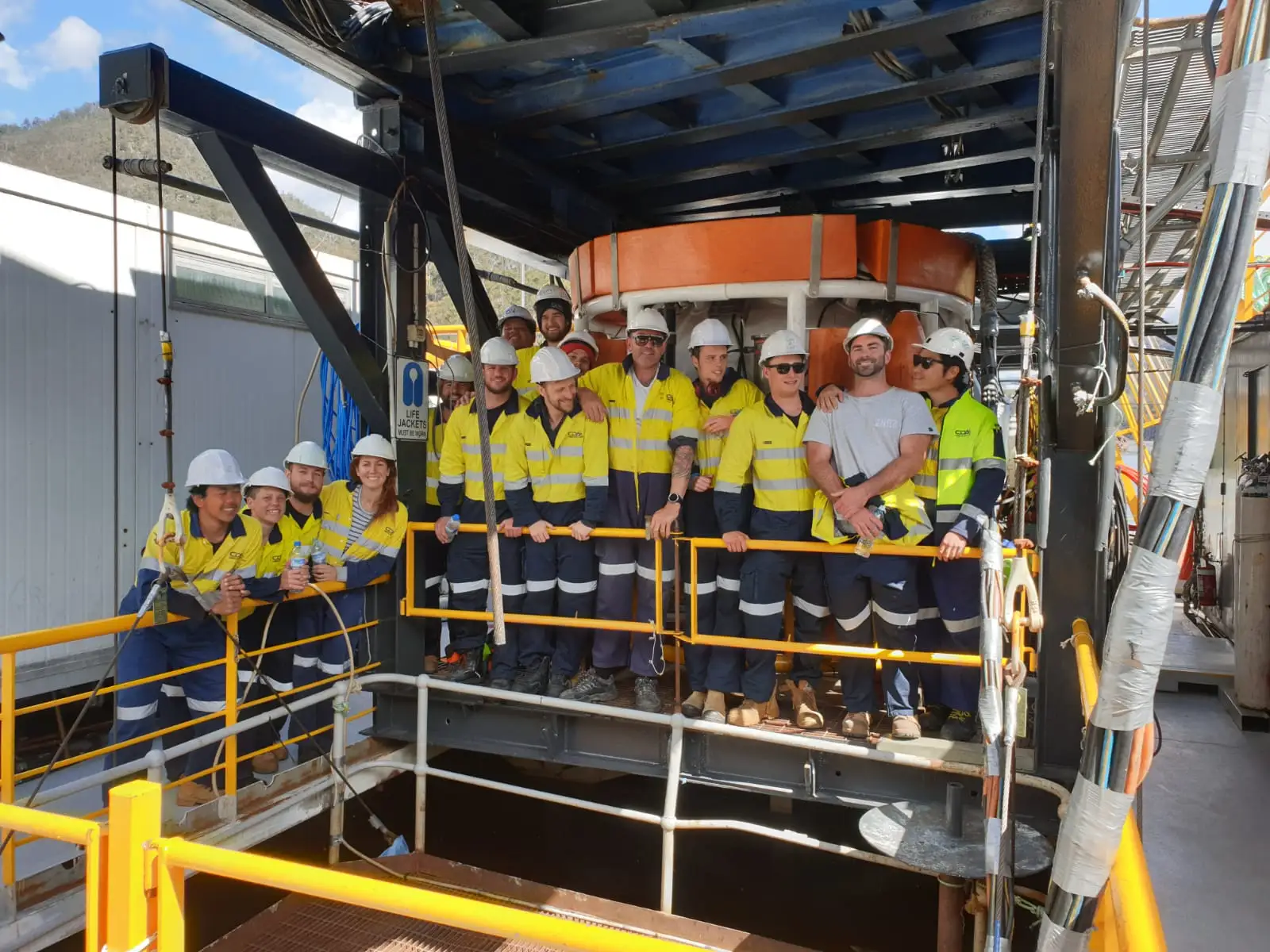
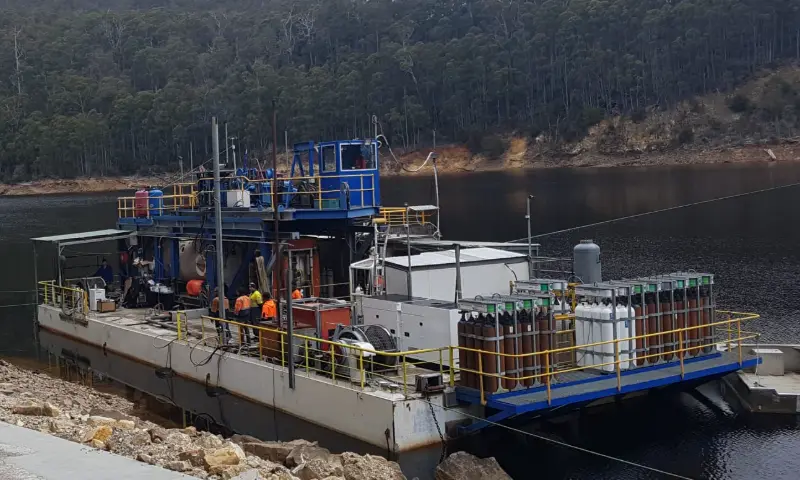
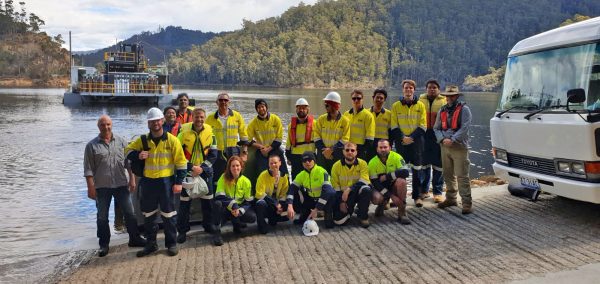
Commercial Dive Academy has been training commercial divers since 1993 and runs ADAS Part 4 closed bell training on a real saturation system at Lake Cethana in Tasmania. The course runs over about three weeks in small teams, with saturation lockouts from our barge at 50 metres and excursions to 65 metres on heliox. Graduates earn the IMCA-recognised ADAS Part 4 qualification and ADCI Bell/Saturation Diver certification (from the Association of Diving Contractors International), and the course includes Assistant Life Support Technician (ALST) training. You’ll need a Diver Medic Technician (DMT) certificate too: bring one with you, or complete our DMT course alongside Part 4.
If you’re working towards sat, we can also help you plan the steps in between, from Part 1 to Part 3.
See ADAS Part 4 course dates and entry requirements or talk to our team.
Frequently asked questions
How long does it take to become a saturation diver?
Parts 1 to 3 can be completed in a few months. You then need at least 12 months holding Part 3, plus 100 logged dives and 100 hours as a Part 3 diver, before you can enrol in Part 4. Many divers book Part 4 as soon as they reach those requirements, so they’re qualified and ready when saturation work comes up.
Can I go straight into saturation diving?
No. You need surface supplied diving qualifications and logged working experience before you can do closed bell training.
Is ADAS Part 4 recognised internationally?
Yes. CDA’s ADAS Part 4 course is IMCA recognised and accepted as equivalent to a number of international closed bell qualifications. See the Part 4 course page for details.
Which extra tickets help most?
Part 4 at CDA includes ALST training, and you’ll hold a DMT by the end of the course, either beforehand or completed alongside it. Beyond that, rigging and dogging licences and CSWIP diver inspection certificates are valued by contractors.
Keep reading
CDA blogHow to Become a Saturation Diver and Find Sat WorkThe qualification pathway to saturation diving, and six practical steps to land sat work.Read article  CDA blogShelf Subsea DonationDeepOcean (formerly Shelf Subsea) donated offshore diving equipment to support CDA’s saturation training.Read article
 CDA blogHow To Become A Commercial Diver!A step-by-step guide to starting your career as a commercial diver in Australia.Read article
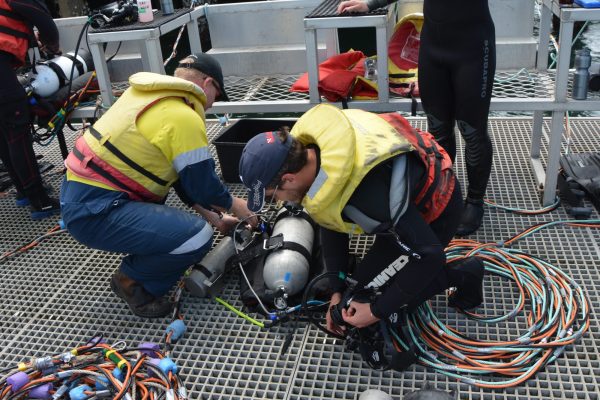 CDA blogPast Offshore Diving Student ReviewA former student on training as an offshore air diver with CDA.Read article
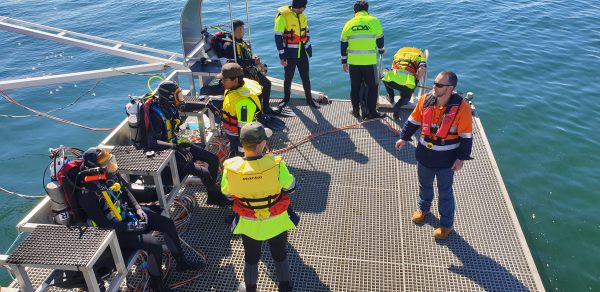 CDA blogHow Much Does a Commercial Diver Earn?What commercial divers earn, and what affects pay onshore and offshore.Read article
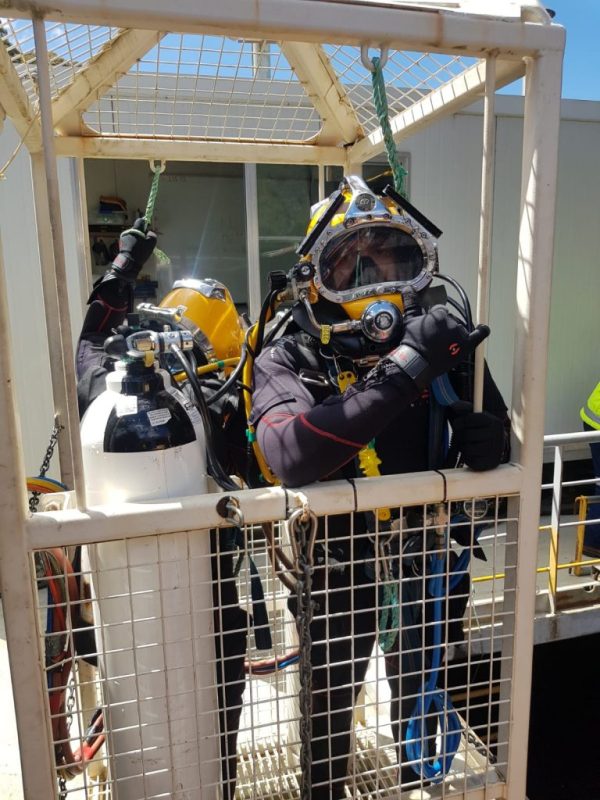 CDA blogWhat it means to work as a professional diver for remunerationWhat occupational divers do and the career paths open to them.Read article
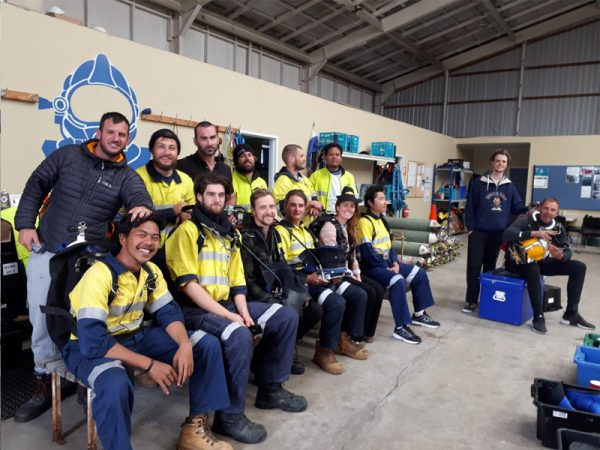 CDA blogCourse RequirementsThe prerequisites you need before starting an ADAS, IMCA or ADCI course.Read article
 CDA blogHow to renew your ADAS certificationHow to renew an expired ADAS diver, supervisor or medical certificate.Read article
 CDA blogTo Do Before You StartHow to prepare for your commercial diving course with CDA.Read article
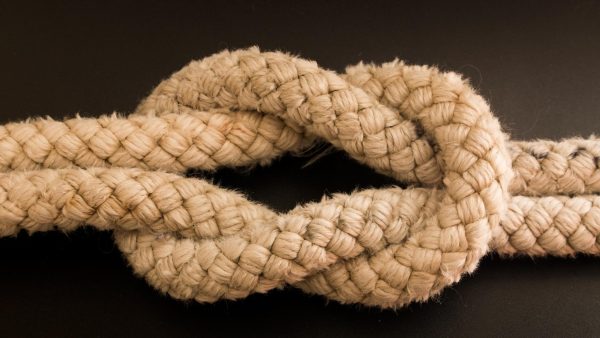 CDA blogFive of the most important underwater and marine knotsFive essential knots every working diver should know.Read article
 CDA blogAustralian Diver Accreditation SchemeWhat ADAS is and how it compares with HSE, DCBC and other schemes.Read article