
Commercial diving courses are full on: long days on the barge, theory in the evenings and plenty of time in the water. But every course has days off, and when you train with CDA in Tasmania, those days off happen in one of the most beautiful places on earth.
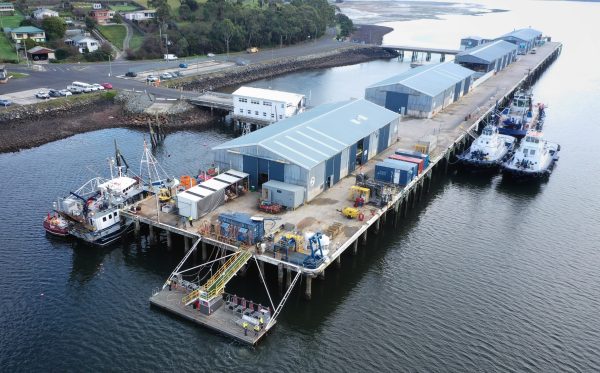
Our Part 1 and Part 2 courses run at Beauty Point on the Tamar River, and our Part 3 and Part 4 deep and saturation courses run at Lake Cethana, with our training centre in Sheffield. Everything below is within easy reach of one or both. Jump to:
- 1. Dove Lake at Cradle Mountain
- 2. Seahorse World and Platypus House
- 3. Tamar Valley Wine Route
- 4. penguins come ashore at Low Head
- 5. Sheffield’s murals and climb Mount Roland
- 6. Mole Creek caves
- 7. Tasmanian devils at Trowunna
- 8. Cataract Gorge in Launceston
- 9. Beaconsfield Mine and Heritage Centre
- 10. Lake Barrington
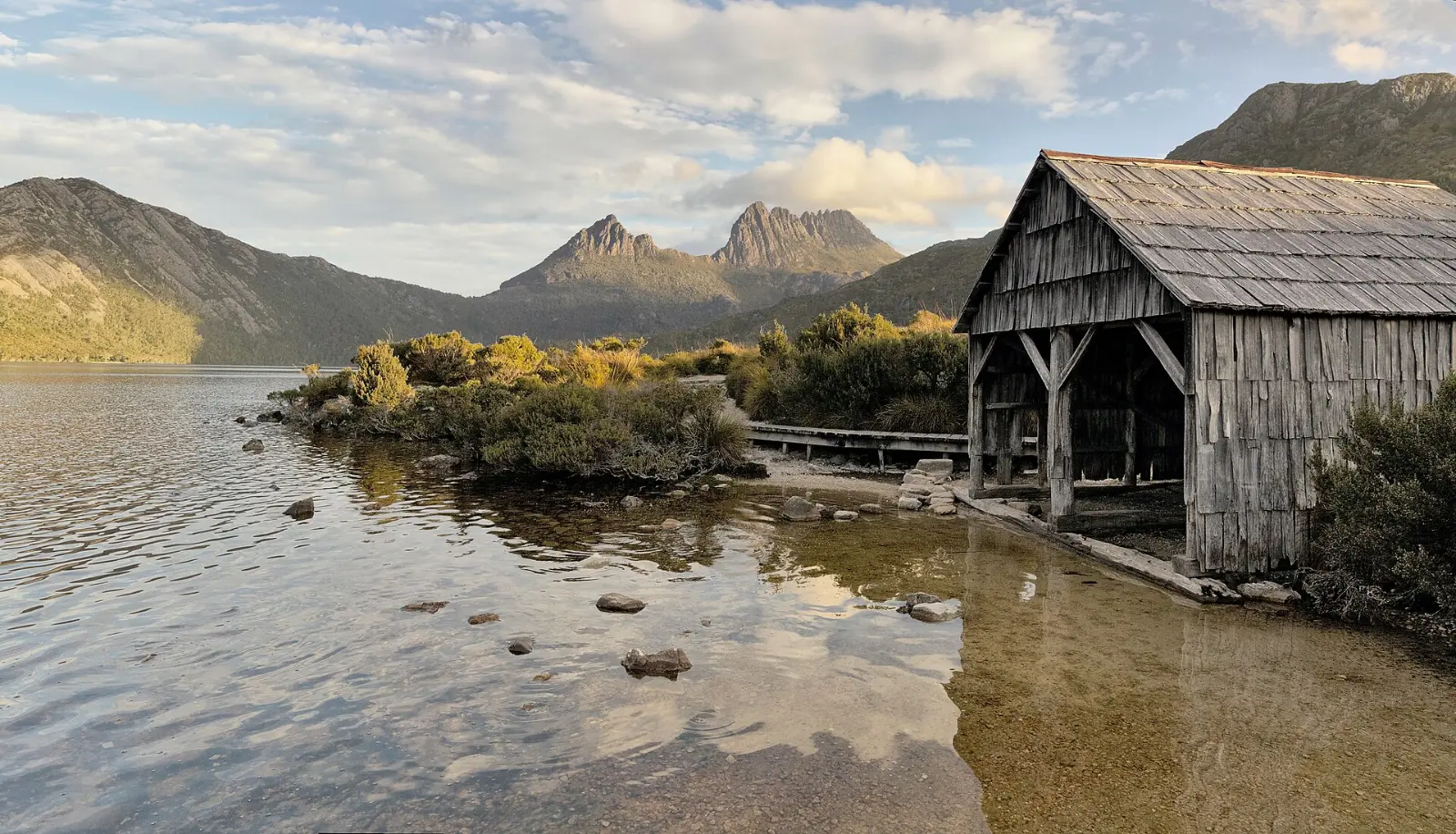 Photo: Thennicke, CC BY-SA 4.0
Walk Dove Lake at Cradle Mountain
- WhereCradle Mountain–Lake St Clair National Park
- From baseAbout 1 hr from Sheffield
- Time neededHalf to full day
Cradle Mountain is Tasmania’s most famous peak and the heart of the Tasmanian Wilderness World Heritage Area. The Dove Lake circuit is the classic introduction: a mostly flat loop of around 6 km that takes 2–3 hours, past ancient pines, a historic boat shed and the jagged summit reflected in the lake.
Keen hikers can climb to Marions Lookout for the view over Dove Lake and Crater Lake, or tackle the full-day summit walk. Keep an eye out for wombats grazing near the tracks, especially early and late in the day.
Tip: You need a Tasmanian national parks pass. Park at the visitor centre and catch the shuttle bus to Dove Lake, and pack warm, waterproof layers: mountain weather changes fast.
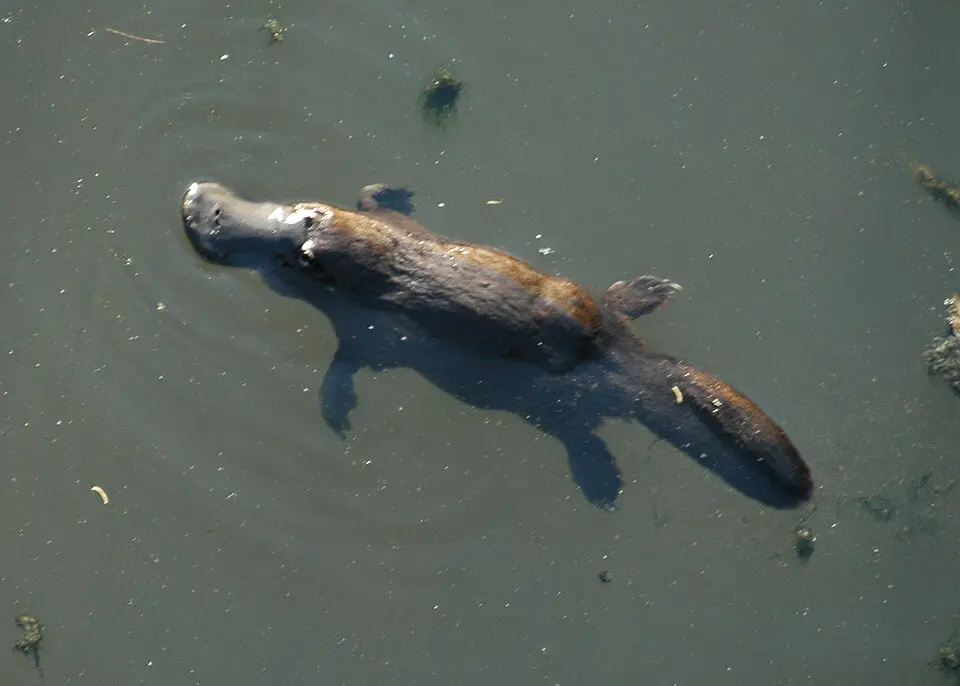 Photo: Peter Scheunis, CC BY 1.0
Seahorse World and Platypus House
- WhereInspection Head Wharf, Beauty Point
- From baseNext door to our Beauty Point school
- Time needed2–3 hours
You don’t have to go far for this one. Seahorse World was the world’s first seahorse aquarium and is a working seahorse farm, with tens of thousands of seahorses and a breeding program for the rare spotted handfish. Guided tours take you behind the scenes of the farm.
Next door, Platypus House is home to Tasmania’s two egg-laying mammals: watch platypuses swimming in their ponds, then stand still while echidnas wander around your feet. Both attractions are open every day of the year.
Tip: Perfect for a short afternoon after training, or a rainy day off.
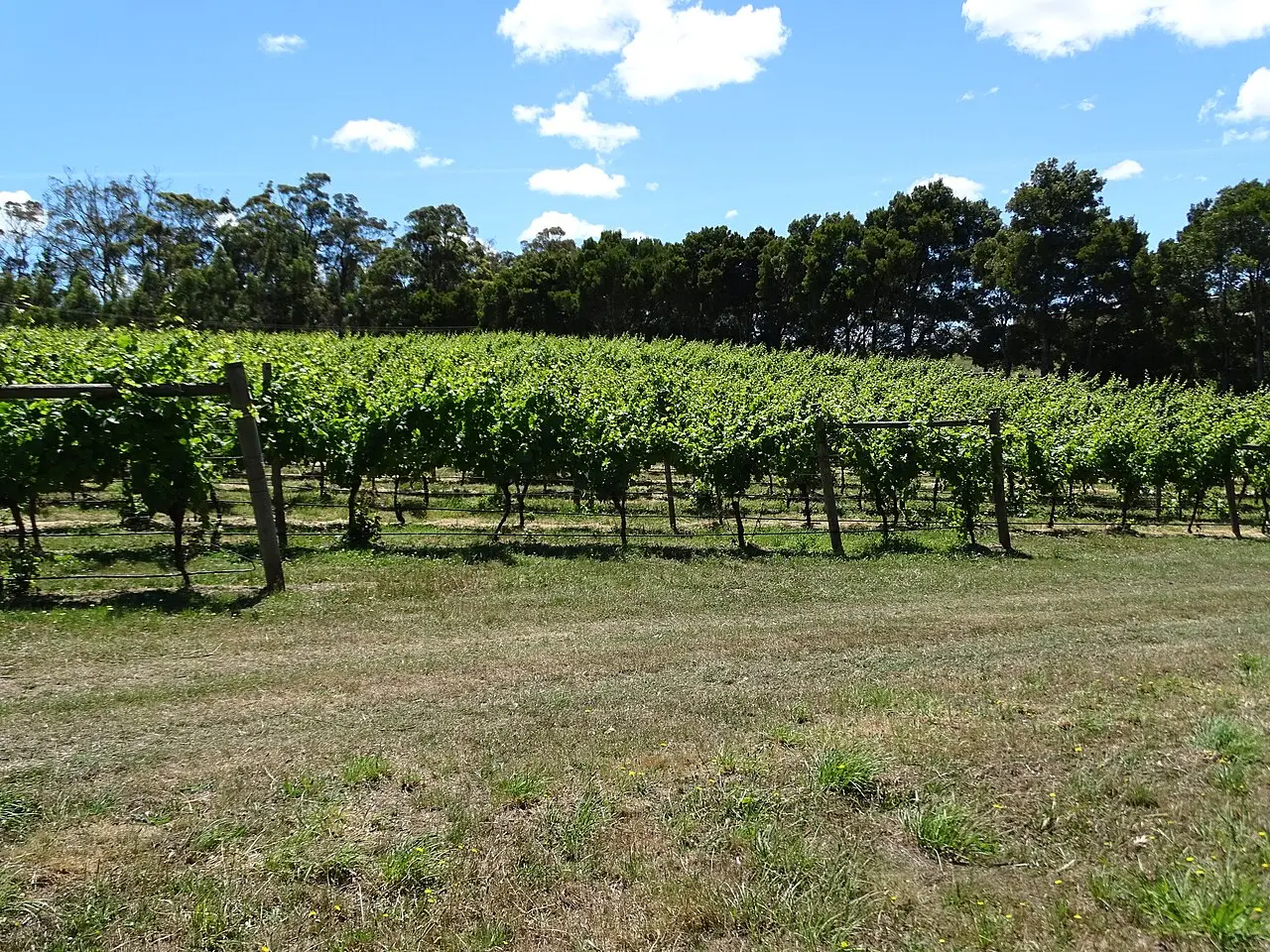 Photo: -jkb-, CC BY-SA 3.0
Follow the Tamar Valley Wine Route
- WhereBoth banks of the Tamar, Launceston to Beauty Point
- From baseStarts at Beauty Point
- Time neededFull day
The Tamar Valley is Tasmania’s largest wine region, with more than 30 vineyards and cellar doors in one of the world’s premium cool-climate wine areas. On the west bank, stop at cellar doors such as Moores Hill Estate, Tamar Ridge, Holm Oak and Waterton Hall. On the east bank, Jansz is famous for Tasmanian sparkling wine.
It isn’t only wine: Turner Stillhouse runs daily distillery tours at Grindelwald, and Miners Gold Brewery pours its beers inside the old chief engineer’s house at the Beaconsfield gold mine.
Tip: Book a designated driver or a hop-on hop-off wine tour, and save it for a day when you’re not diving the next morning.
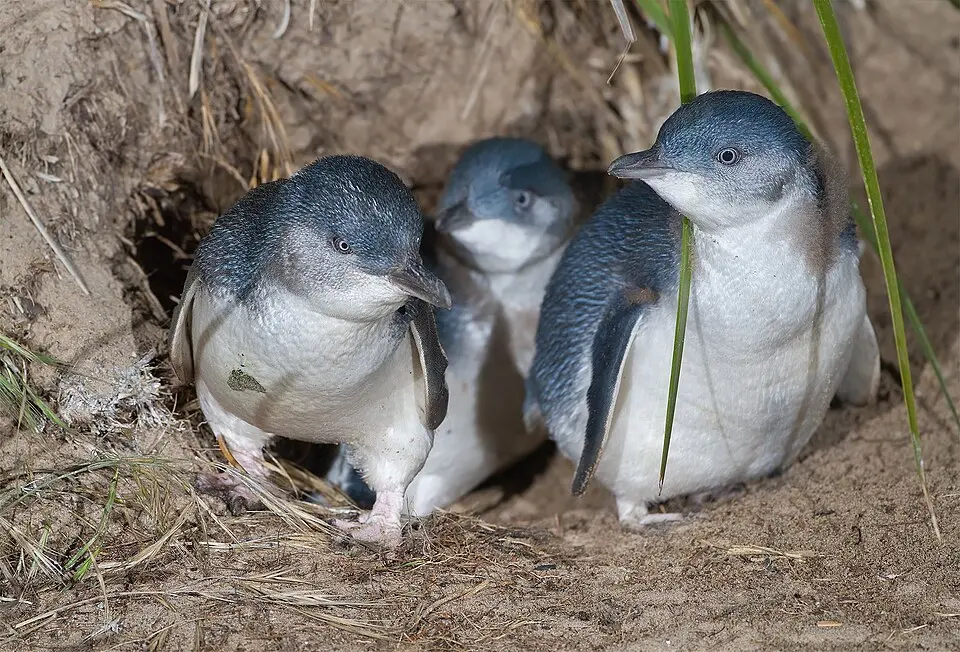 Photo: JJ Harrison, CC BY-SA 3.0
Watch the penguins come ashore at Low Head
- WhereLow Head, at the mouth of the Tamar
- From baseEast bank of the Tamar, via the Batman Bridge
- Time neededEvening, about 1 hour
As the sun goes down, little penguins (also called fairy penguins) return from Bass Strait to their burrows in the Low Head Coastal Reserve. Low Head Penguin Tours runs fully guided tours every night at sunset, lasting up to an hour, so you can watch them waddle up the beach without disturbing the colony.
Arrive early to explore Low Head’s lighthouse and the historic Pilot Station and maritime museum.
Tip: Leave the tripod at home (they’re not allowed) and bring a warm jacket for the Bass Strait wind.
 Photo: Barrylb, public domain
Explore Sheffield’s murals and climb Mount Roland
- WhereSheffield, home of our training centre
- From baseOn your doorstep
- Time needed1 hour to a full day
Sheffield calls itself the Town of Murals, with more than 100 larger-than-life paintings on its walls telling the story of the region. Every year the town hosts Mural Fest, where artists compete to paint new murals in Mural Park.
If you have energy to burn, Mount Roland (1,234 m) towers over the town. Two tracks lead to the summit, with 360-degree views to Bass Strait, Cradle Mountain and Barn Bluff. Nearby, Railton is the “town of topiary” and Tasmazia’s mazes are a fun stop on the way to Lake Barrington.
Tip: Grab a mural map from the Sheffield visitor information centre on the main street.
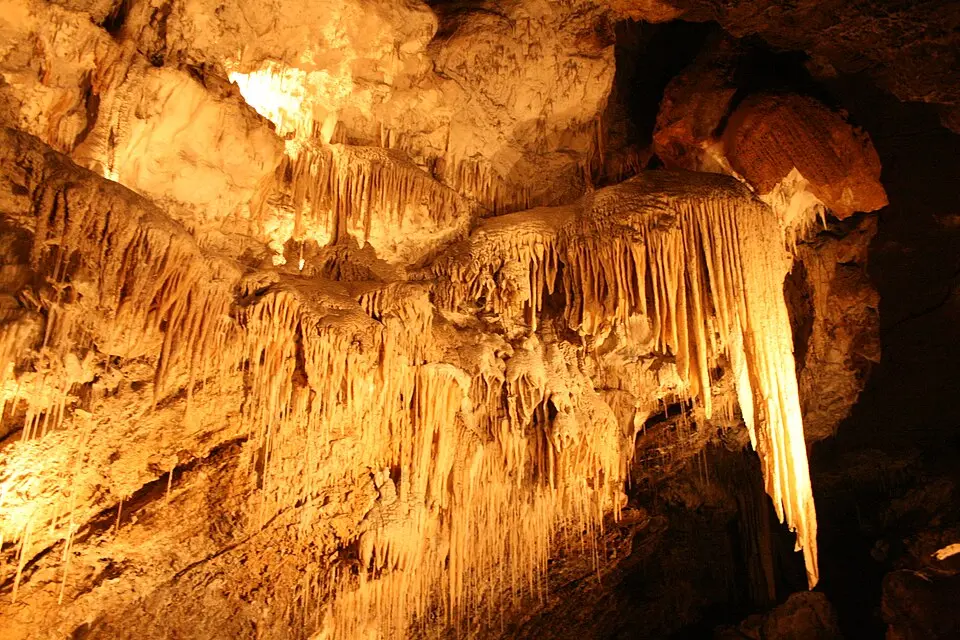 Photo: Diego Delso, CC BY-SA 3.0
Go underground at the Mole Creek caves
- WhereMole Creek Karst National Park
- From baseUnder an hour from Sheffield
- Time neededHalf day
More than 300 caves lie beneath this corner of northern Tasmania, and two of the best are open for guided tours. Marakoopa Cave has two underground streams and the largest display of glow-worms in any public-access cave in Australia. King Solomons Cave is smaller and drier, packed with shawls, stalactites and stalagmites.
Entry is by guided tour only. Tours take about 45 minutes and run every day except Christmas Day. The caves are about 11 km apart, so allow at least 15 minutes to drive between them.
Tip: You don’t need a parks pass for the cave tours, but book ahead in busy periods and bring a jacket: it’s cool underground all year.
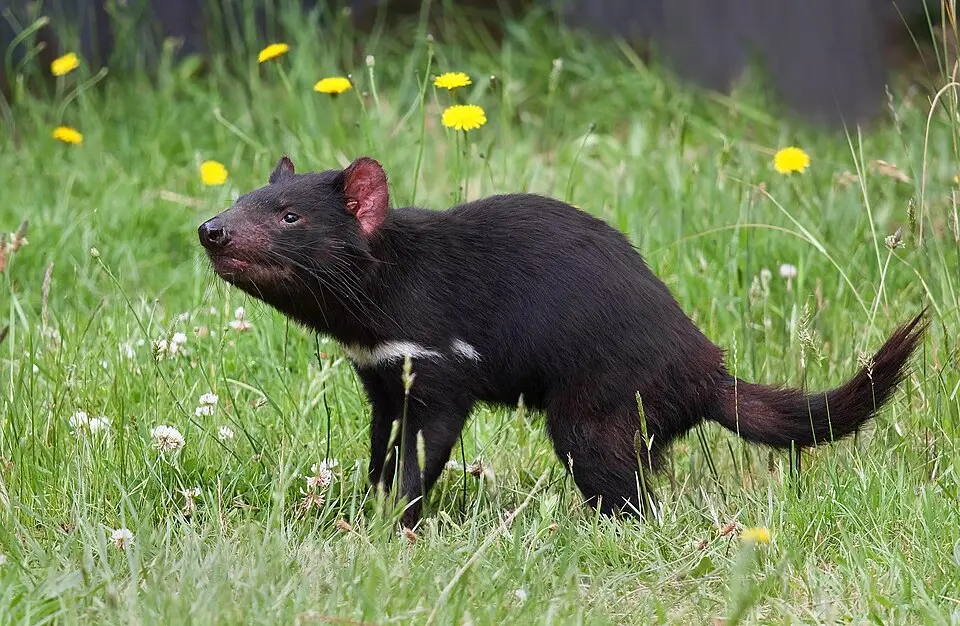 Photo: JJ Harrison, CC BY-SA 3.0
Meet Tasmanian devils at Trowunna
- WhereMole Creek Road, Mole Creek
- From baseAbout 12 minutes west of Deloraine
- Time needed2 hours
Trowunna Wildlife Sanctuary has cared for Tasmania’s native animals since 1979 and is at the heart of the state’s Tasmanian devil conservation work. As well as devils, you’ll meet wombats, quolls and birds, while kangaroos and wallabies roam free and can be hand-fed.
Guided tours run daily at 11am, 1pm and 3pm and are included with admission. The Devil Education and Research Centre explains why the devil needs protecting.
Tip: Combine it with the Mole Creek caves for a full day out.
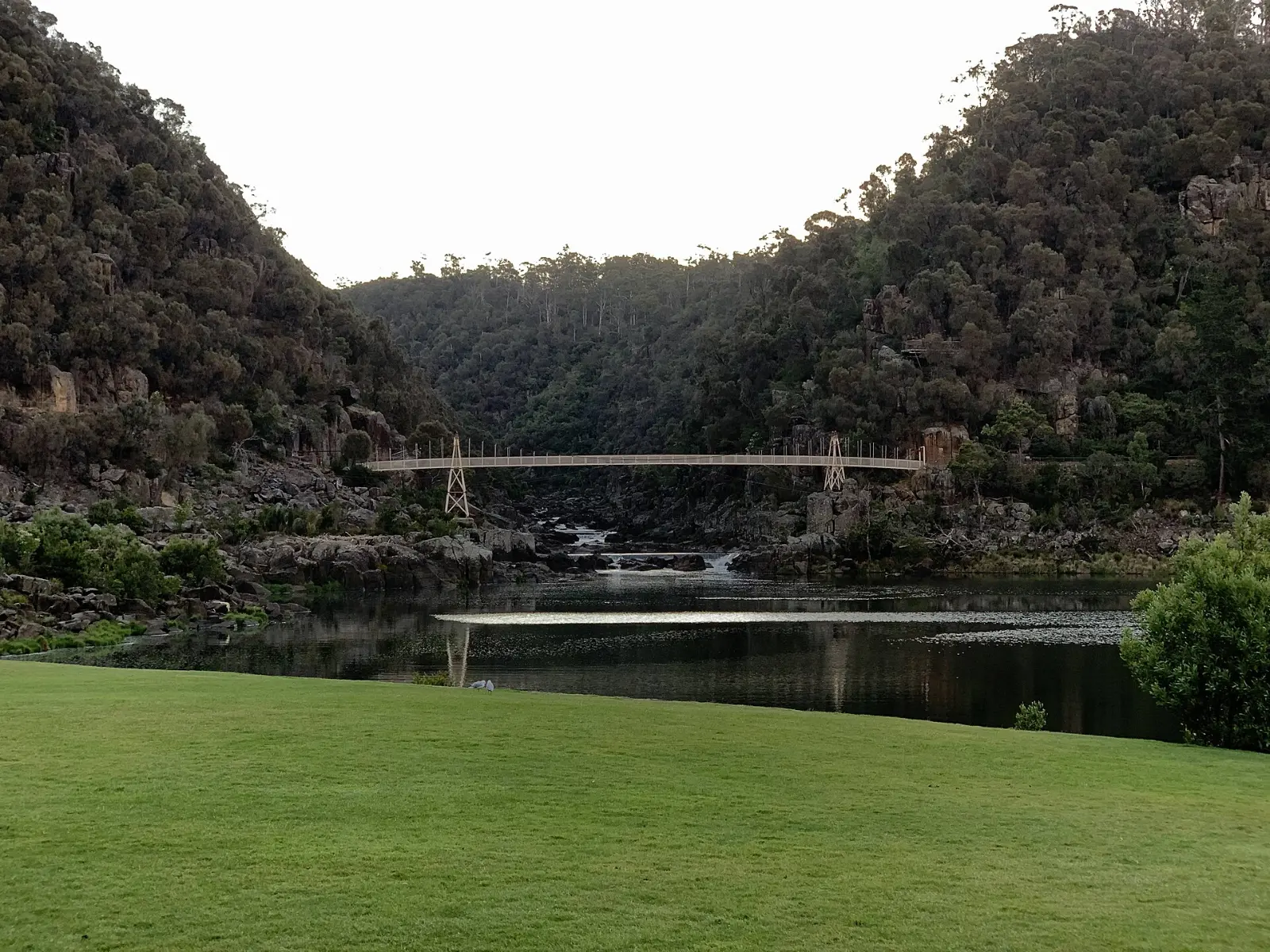 Photo: Liam2520, CC BY-SA 4.0
Walk Cataract Gorge in Launceston
- WhereEdge of Launceston’s city centre
- From baseUnder an hour from Beauty Point
- Time needed2 hours to half a day
Just minutes from Launceston’s city centre, the South Esk River rushes between towering cliffs at Cataract Gorge. Cross the suspension bridge, swim in the First Basin in summer, climb the Zig Zag track to the lookout, or ride what’s billed as the world’s longest single-span chairlift across the basin.
Walk on to the old Duck Reach power station, take a Tamar River Cruises boat into the gorge, or try ziplining and climbing at Penny Royal Adventures. Climbers will find more than 800 routes on the gorge’s dolerite cliffs.
Tip: Make a day of it with lunch in Launceston, a UNESCO City of Gastronomy.
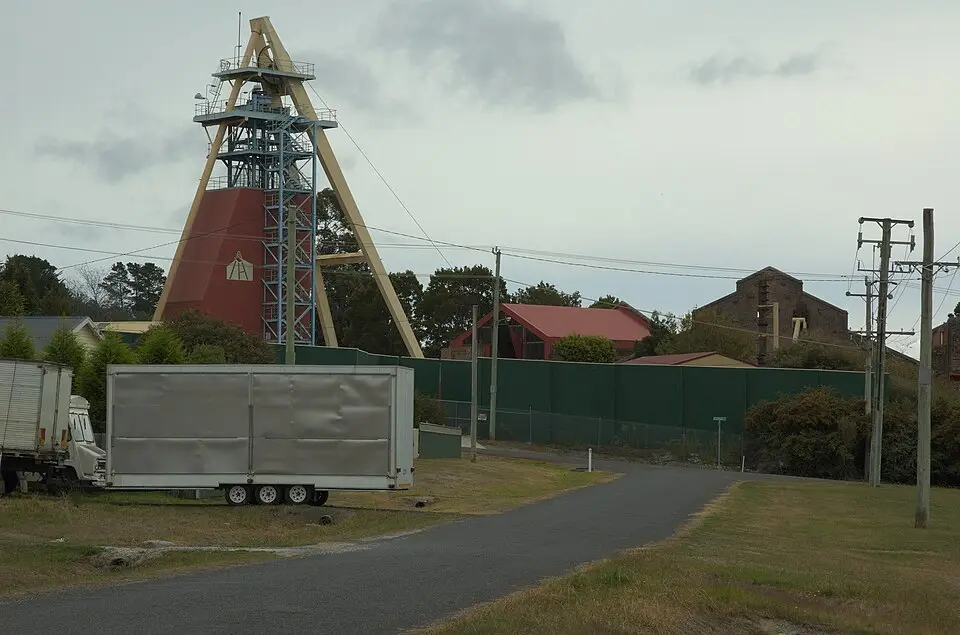 Photo: Gary Houston, CC0
Visit the Beaconsfield Mine and Heritage Centre
- WhereBeaconsfield, West Tamar
- From baseAbout 10 minutes from Beauty Point
- Time needed1–2 hours
Beaconsfield’s gold mining history goes back to the 1800s, and its heritage centre is a hands-on museum where you’re encouraged to touch the exhibits. The interactive Mine Rescue exhibition tells the story of the famous 2006 rescue.
For anyone working in a high-risk industry, it’s a powerful reminder of why safety systems and teamwork matter. Finish with a drink at the Miners Gold Brewery taproom on the mine site.
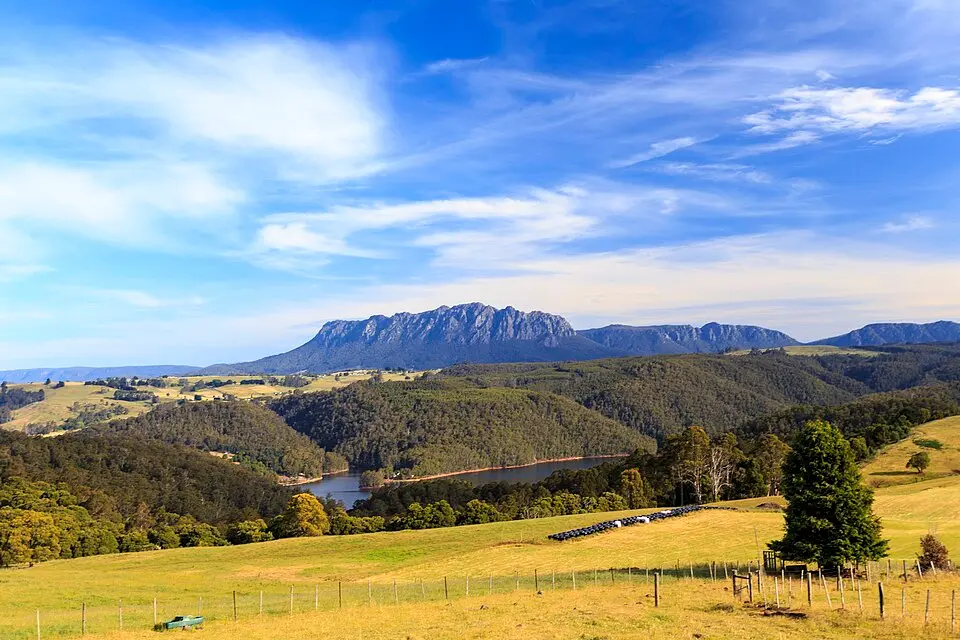 Photo: Guido Rudolph, CC0
Get out on the water at Lake Barrington
- WhereNear Wilmot and Sheffield
- From baseJust south of Sheffield
- Time neededHalf day
Lake Barrington’s international rowing course hosted the 1990 world rowing championships, and the long, sheltered lake is great for kayaking, paddleboarding and lakeside picnics.
Bring a bike and ride the Wild Mersey mountain bike trails around Sheffield and Railton, or head to the coast at Narawntapu National Park, about 50 minutes from Sheffield, for beaches and wildlife.
Got a long weekend? Go bigger
If your timetable gives you a few days off in a row, some of Australia’s best adventures are within a couple of hours’ drive.
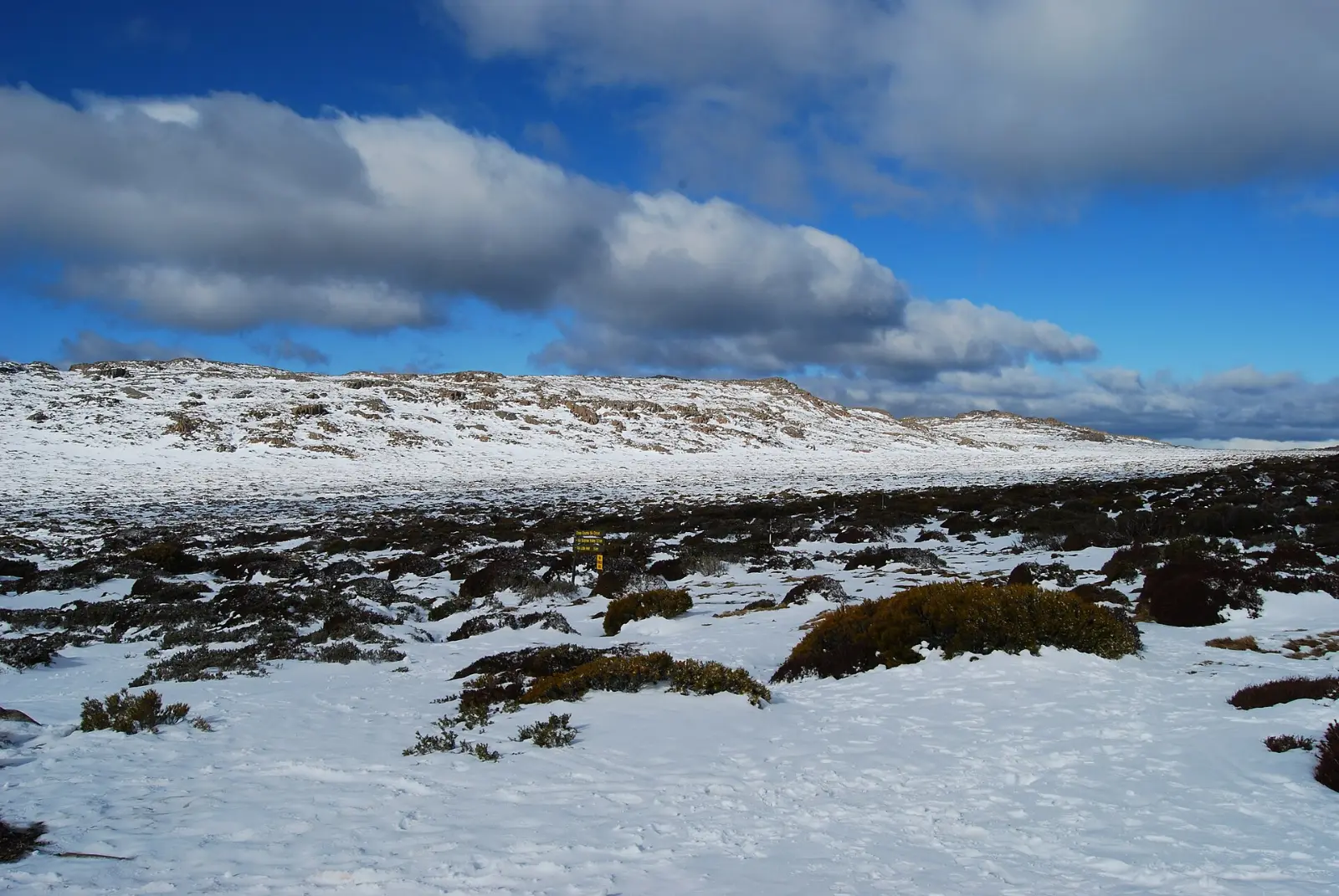 Photo: Peripitus, CC BY-SA 3.0
Ski at Ben Lomond
Tasmania’s main ski field sits on an alpine plateau around 1,500 m high, about an hour from Launceston. The season usually runs from July to September, and in summer the cliffs offer some of Tasmania’s best crack climbing.
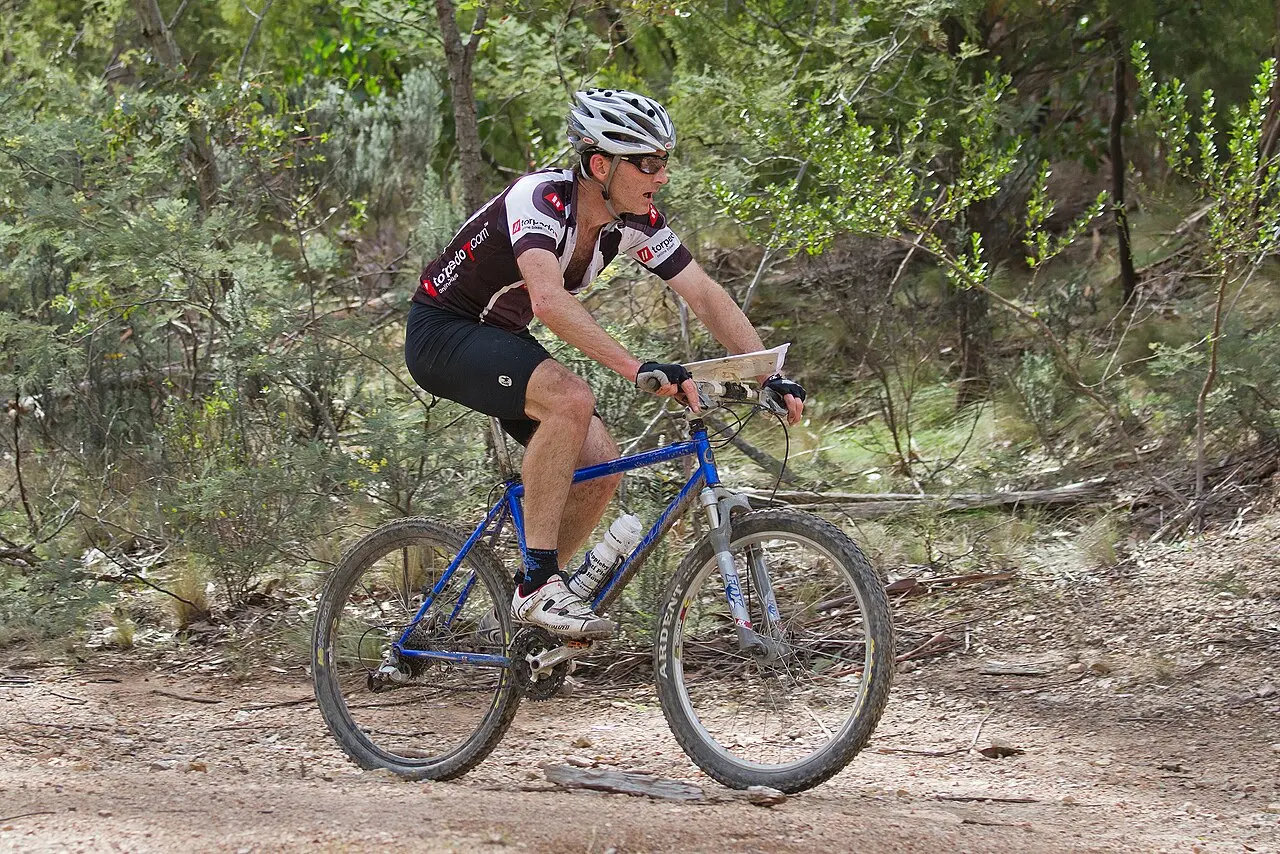 Photo: JJ Harrison, CC BY-SA 3.0
Ride Blue Derby
About 90 minutes from Launceston, Derby has 125 km of purpose-built trails through ferns and myrtle forest. Since 2017 it has hosted the Enduro World Series several times, and bike hire and shuttles are in town.
Train where others take their holidays
See why so many students choose to train in Tasmania, check the next Tasmanian intakes, or find somewhere to stay on our accommodation page.
Want to see more of the island? Read how to turn dive school into a Tasmanian holiday, with weekend getaways and a week-long road trip.
Keep reading
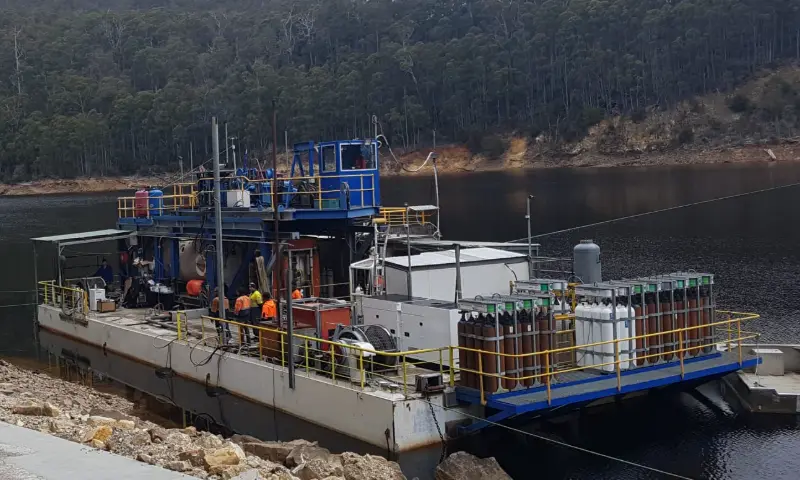 CDA blogHow to Become a Saturation Diver and Find Sat WorkThe qualification pathway to saturation diving, and six practical steps to land sat work.Read article
 CDA blogShelf Subsea DonationDeepOcean (formerly Shelf Subsea) donated offshore diving equipment to support CDA’s saturation training.Read article
 CDA blogHow To Become A Commercial Diver!A step-by-step guide to starting your career as a commercial diver in Australia.Read article
 CDA blogPast Offshore Diving Student ReviewA former student on training as an offshore air diver with CDA.Read article
 CDA blogHow Much Does a Commercial Diver Earn?What commercial divers earn, and what affects pay onshore and offshore.Read article
 CDA blogWhat it means to work as a professional diver for remunerationWhat occupational divers do and the career paths open to them.Read article
 CDA blogCourse RequirementsThe prerequisites you need before starting an ADAS, IMCA or ADCI course.Read article
 CDA blogHow to renew your ADAS certificationHow to renew an expired ADAS diver, supervisor or medical certificate.Read article
 CDA blogTo Do Before You StartHow to prepare for your commercial diving course with CDA.Read article
 CDA blogFive of the most important underwater and marine knotsFive essential knots every working diver should know.Read article
 CDA blogAustralian Diver Accreditation SchemeWhat ADAS is and how it compares with HSE, DCBC and other schemes.Read article